
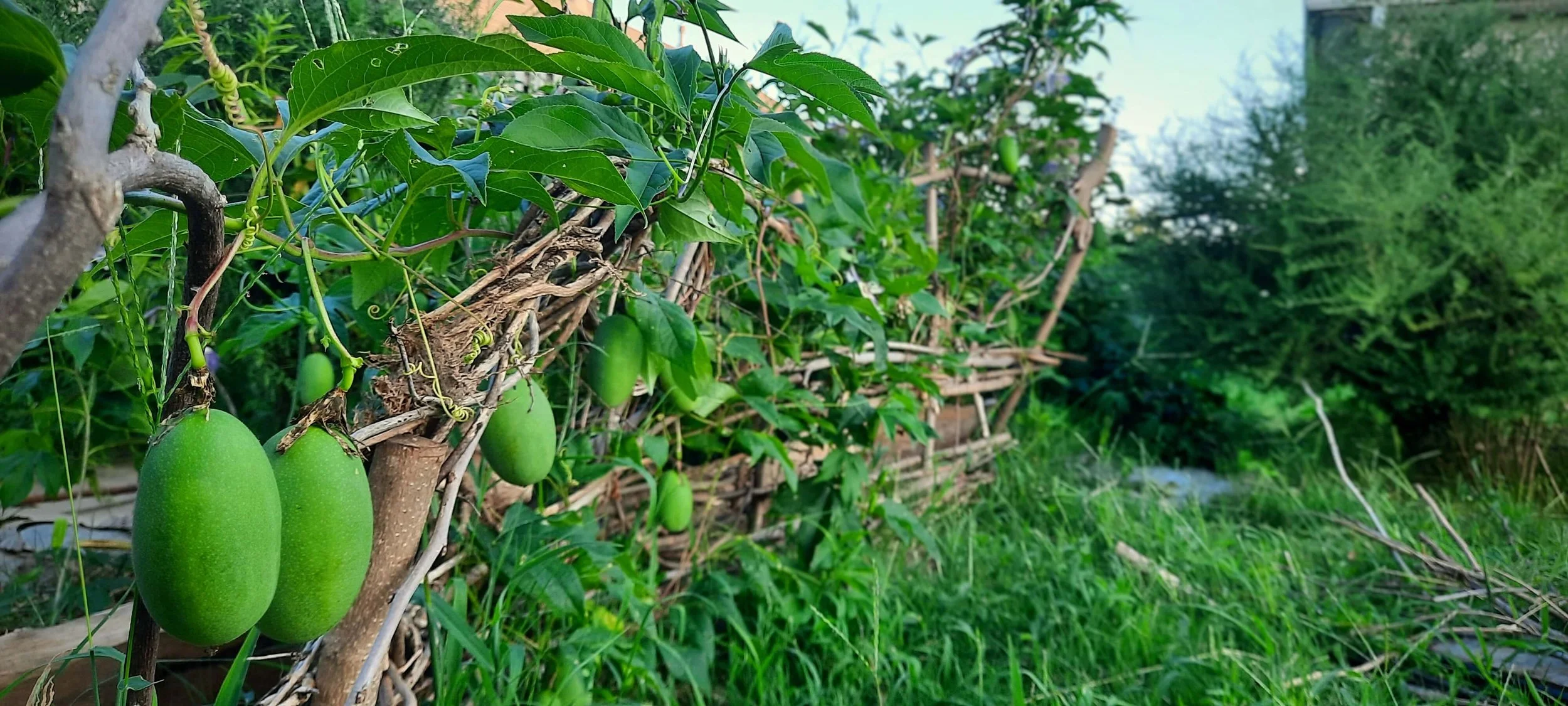
Designing Landscapes That Function as Living Systems
We design dynamic, site-specific ecosystems by working with the land’s climate, water, soil, and history—creating resilience that evolves over time.
Design Guided by Ecology
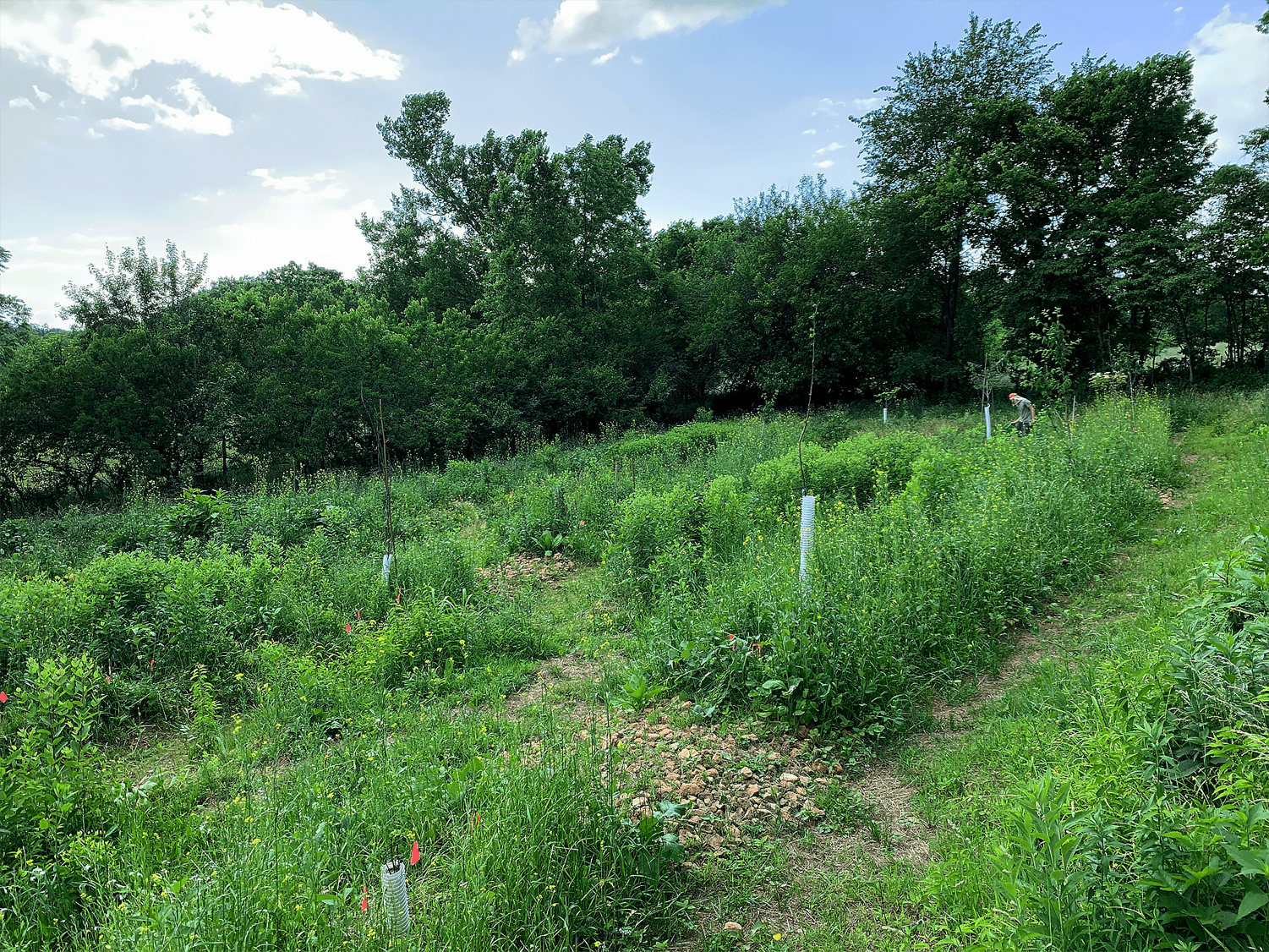
Ecological design is the process of creating habitats that function as living systems.
Rather than imposing a fixed plan onto a site, we work within the ecological context of the land—using climate, hydrology, soil conditions, solar patterns, and the history of place to guide every decision.
Our Design Approach
Observation → Alignment
Every site contains natural patterns that shape what is possible. We begin by reading those patterns, then aligning land use with them.
Permanent → Flexible
We prioritize the most permanent decisions first—water, access, and landform—creating a foundation that supports everything that follows.
Systems, Not Parts
Each element is designed to reinforce the others, reducing inputs and increasing resilience over time.
A Living Process
Ecological design is not a fixed plan—it is a framework that allows a landscape to evolve while maintaining function and productivity.
Core Design Strategies
Our designs are built through the integration of key ecological systems that shape long-term function.
A Systems-Based Approach
Our process integrates permaculture principles with regenerative land management to design landscapes that are productive, resilient, and adaptive.
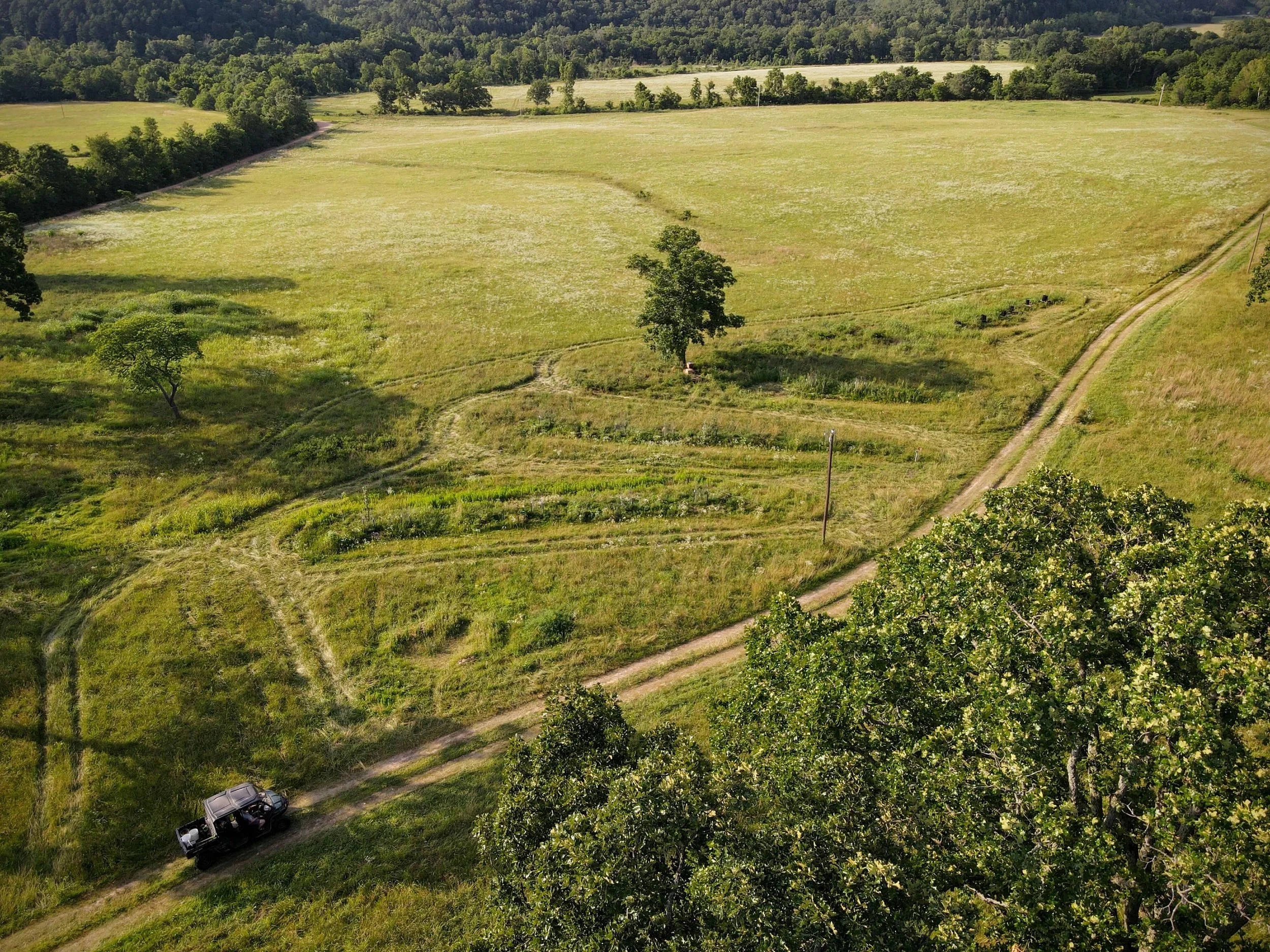
These systems are not static installations but are designed to grow stronger over time, increasing ecological function while continuing to meet human needs.
Our Ecological Design Services
We offer a range of design services that move from site understanding through detailed planning and implementation guidance.
Water, Soil, and Living Ground
Healthy landscapes maintain living roots in the soil as much as possible. Following disturbance—such as earthworks or planting—we use diverse cover crop systems to stabilize soil, improve infiltration, moderate temperature, and rebuild biological activity.
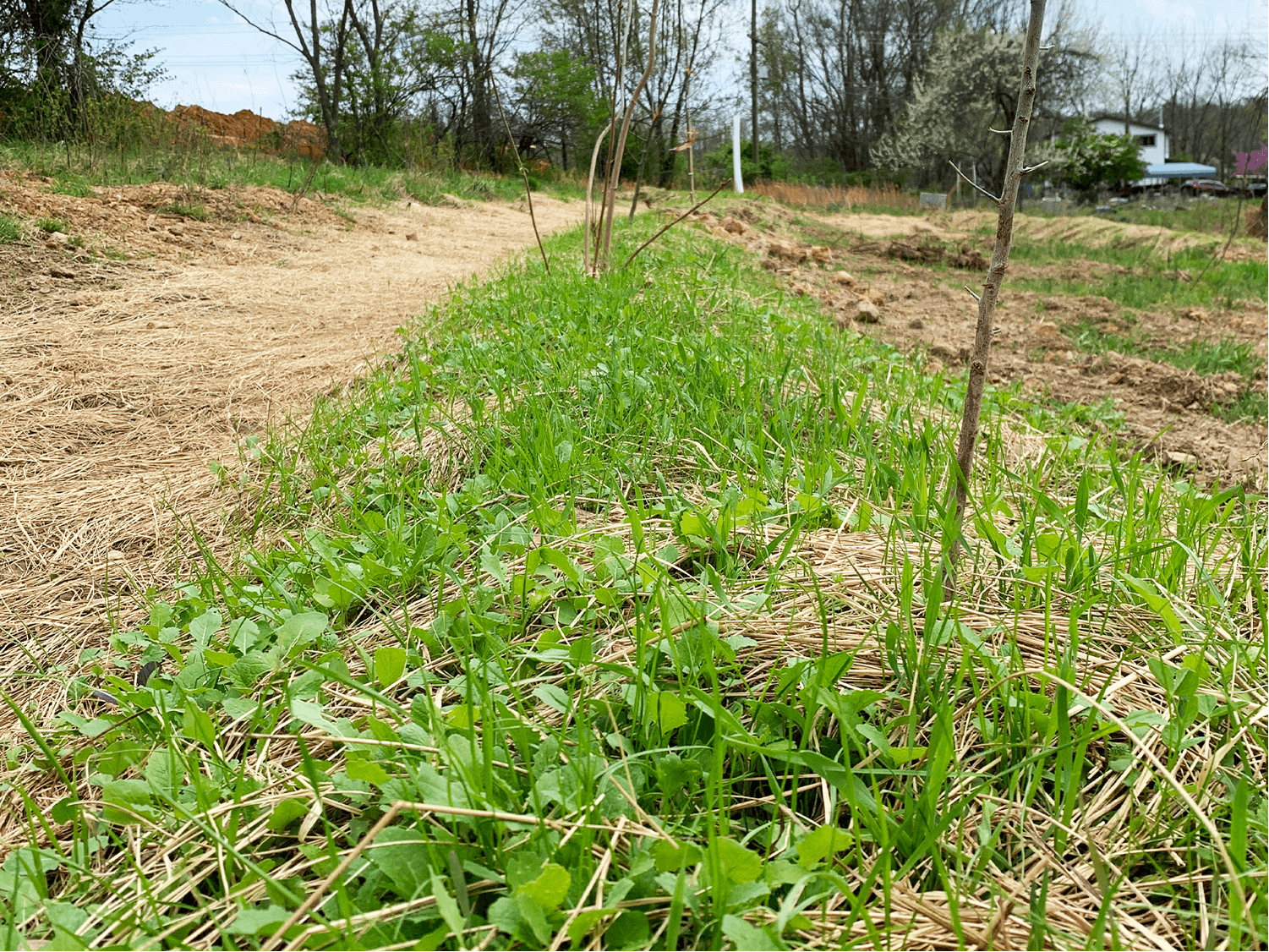
Biological inoculation supports the re-establishment of soil life through compost extracts, teas, and other living amendments. These inputs accelerate recovery, strengthen plant establishment, and restore nutrient cycling processes.
Over time, these systems build organic matter, improve structure, and reduce reliance on external inputs.
Plant selection is critical to long-term success. We prioritize native, endemic, and well-adapted species suited to the local climate and ecological conditions.
Plant Systems and Species Selection
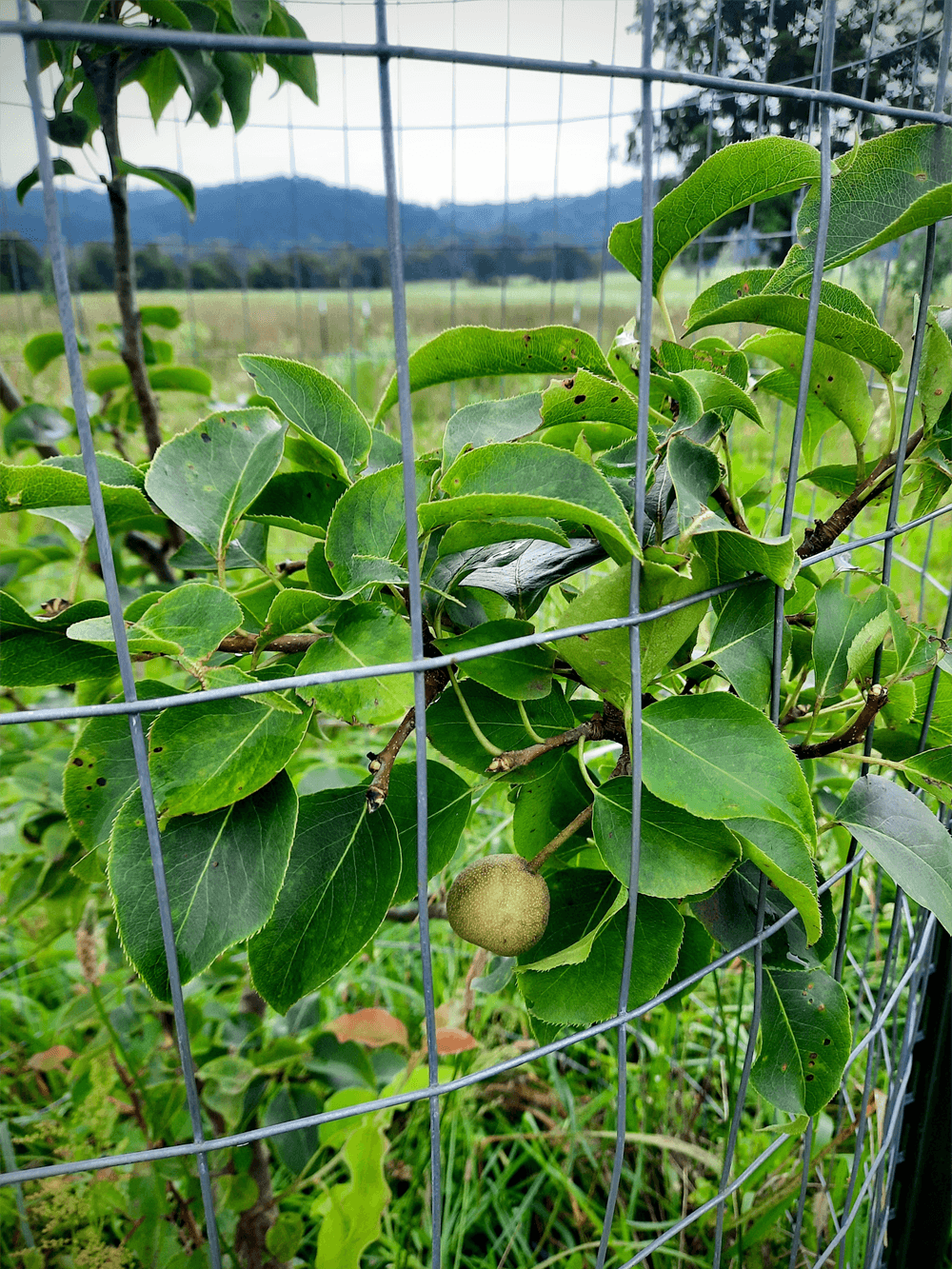
Productive species—such as fruit trees and perennial crops—are selected for resilience, disease resistance, and low-input management.
We work closely with regional nurseries and growers to source appropriate plant material and align species selection with both ecological function and management goals.
Phasing and Implementation
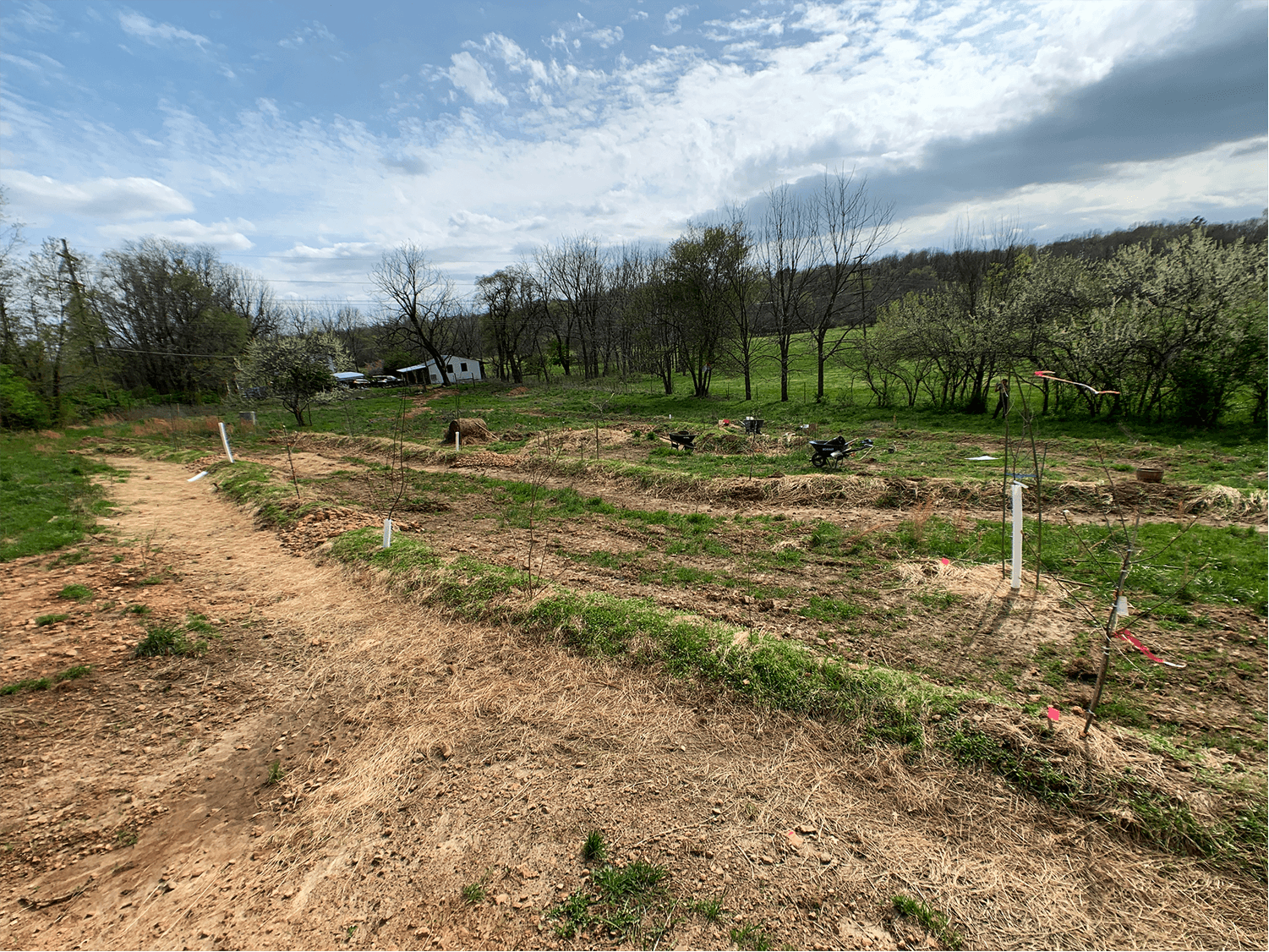
Ecological systems develop over time. Rather than building everything at once, projects are phased to match ecological readiness, labor capacity, and budget.
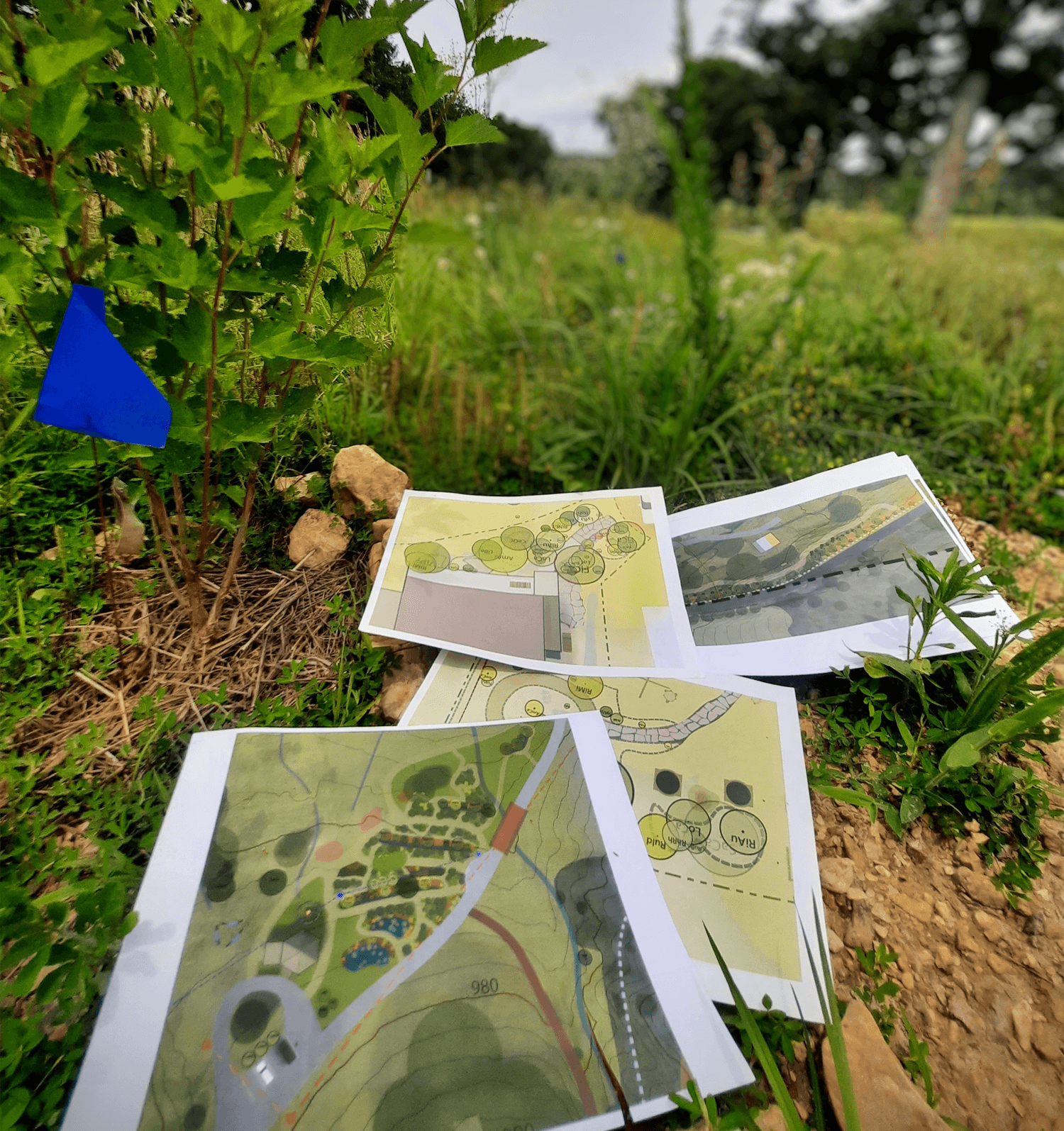
This allows systems to establish, respond, and inform the next stage of development—reducing risk and improving long-term outcomes.
Implementation support may include planting plans, sequencing guidance, on-site coordination, and collaboration during installation.
These systems are not static installations but are designed to grow stronger over time, increasing ecological function while continuing to meet human needs.
Where We Work
Our ecological design services are applied across a range of landscapes and use cases, depending on site conditions and project goals.
Food Systems
Food forests and perennial agriculture
Edible landscapes
Annual gardens and mixed production systems
Water & Land Function
Landscapes with hydrology challenges
Erosion control and water retention systems
Ecology & Restoration
Native landscaping and ecological restoration
Wildlife habitat and pollinator support
Human Integration
Integrated human-use spaces within working landscapes
Each project is shaped by site conditions, client goals, and long-term stewardship of the land.
How This Service Is Used
Ecological design services can be engaged in several ways:
Full-site design for new or existing properties
Targeted design for specific systems or zones
Integrated with GIS analysis and soil assessment
Long-term planning for phased development
Guidance for landowners managing their own implementation
Each engagement is tailored to the scale and complexity of the site.
Is This Right for Your Project?
This service is ideal for landowners, communities, and municipalities seeking long-term stewardship and functional landscapes—rather than short-term solutions or purely aesthetic design.
Whether you’re developing a new site or restoring a degraded landscape, this process provides a clear ecological direction grounded in the realities of your land.
If you’re unsure where to begin, we can help determine whether ecological design, GIS analysis, soil assessment, or a combination of services is the right starting point.
What You Receive
Depending on the scope of your project, ecological design services may include:
Site analysis and design maps
Water and landform planning
Planting and species selection plans
Phasing and implementation strategy
Ongoing consultation and refinement
Start the Process
Every site is different. We begin with a conversation to understand your land, your goals, and the opportunities within your system.
